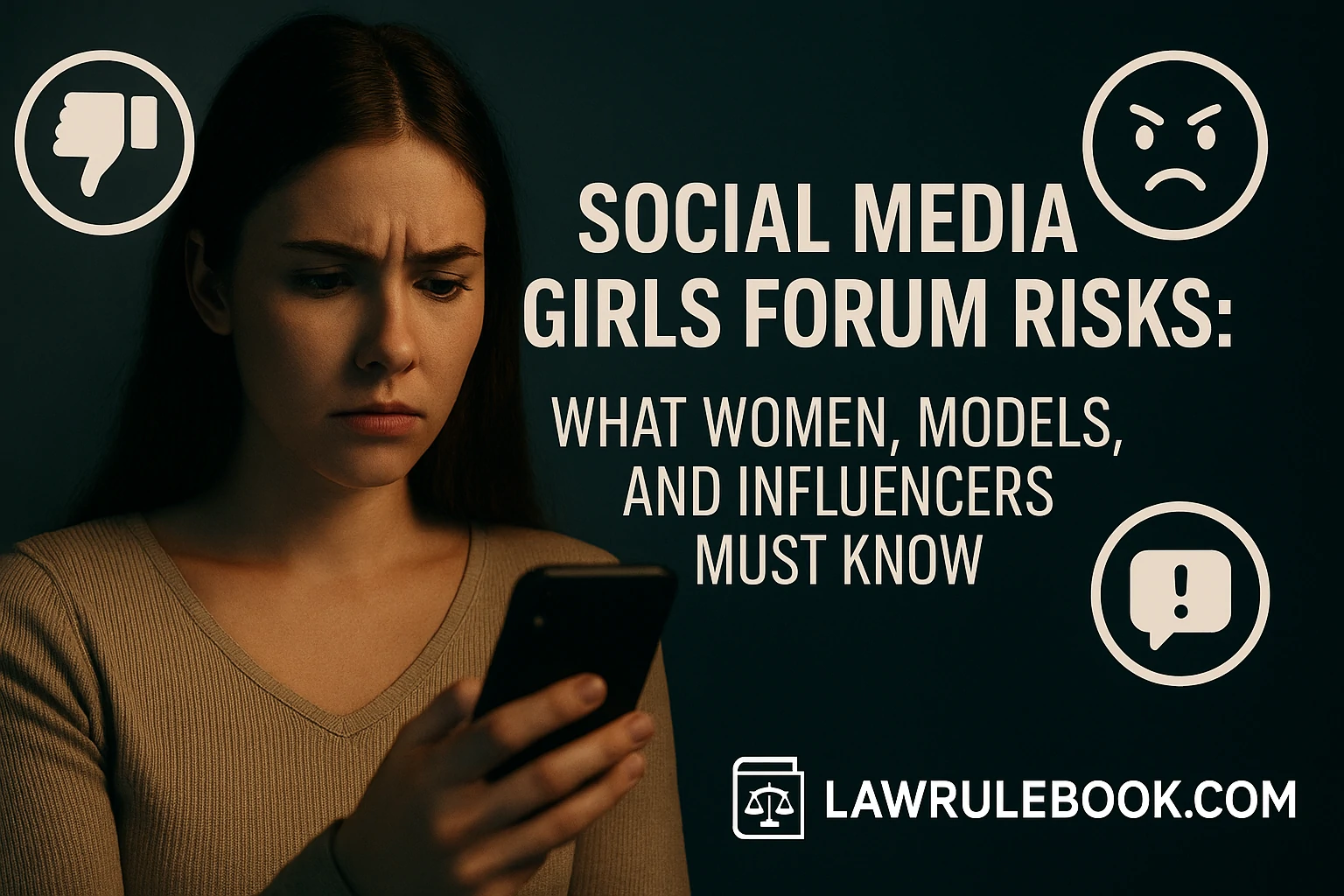
The internet gives people power. Women use it to share, build, and connect. Many models and influencers grow fast through social media. They gain fans, money, and fame. Some build strong brands. Others share daily life or earn income from content.
But public attention brings risk. Some wesbsites do not support creators. They expose them. One of the worst is the Social Media Girls Forum. This forum does not help. It mocks, leaks, and harms.
This article explains what the forum is. It shows how it works and why it is dangerous. It covers who gets targeted and how to fight back. Women, models, and influencers must understand the risks before they face harm online.
Quick Summary of This Guide
This guide gives you clear steps to stay safe online. It explains how the forum works and why it creates harm. It shows who faces the highest risk and what legal tools can help. You also learn how to protect your content, your name, and your peace.
This summary helps new readers understand the main goal of the article before they go deeper.
What Is the Social Media Girls Forum?
This forum targets women who post online. It focuses on models, influencers, and creators from Instagram, TikTok, OnlyFans, and Snapchat. Users collect photos, videos, and links. They share screenshots, comment on looks, and gossip.
Some users take things further. They post leaked content, stolen pictures, and private videos. Many posts show rude comments or sexual talk. Some include lies or harmful claims.
Users stay anonymous. That gives them freedom to judge and attack. Victims cannot reply. They cannot remove posts. They cannot stop the spread. This gives the forum full control and strips victims of their voice.
Why This Forum Grows So Fast
The forum grows because users share screenshots and links without fear. Many users look for drama, gossip, or private content. Some want attention. Others want to judge women without facing consequences.
The site rewards posts that create strong reactions. This drives more traffic. Some users enjoy the harm they cause. Others join to feel power over women who succeed online.
The fast spread of posts comes from this cycle of attention. It pulls victims into a place they did not choose.
Is the Forum Legal?
Many people want to know if the Social Media Girls Forum follows the law. The truth is not simple. A forum can stay online even when users post harmful content. The law treats platforms and users in different ways.
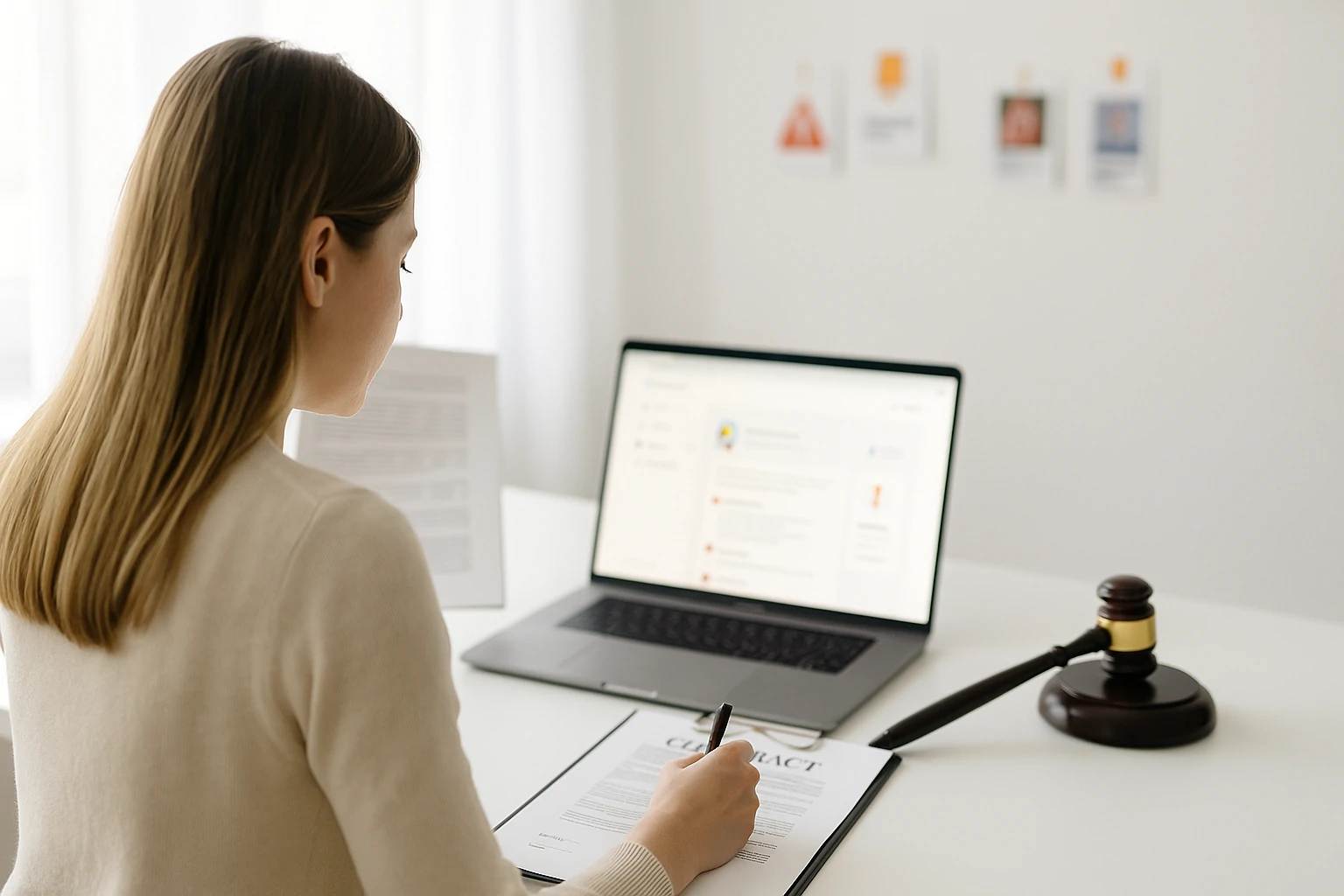
In the U.S., websites often stay safe under Section 230 of the Communications Decency Act. This rule gives protection to site owners. It states that platforms are not responsible for what users post. This shield makes it hard to sue the website.
Some posts still break the law. Users may upload paid content without consent. That violates copyright law. Some may post private photos. That crosses privacy rules. Others may share false stories. That can harm someone’s name and count as defamation. Many users also post personal details such as a full name, street, or job. That can lead to doxxing and open the door to real danger.
A woman who faces this type of harm may need legal help. A lawyer can send a firm letter or file a request with the court. These steps can force the forum to take action. The process may feel slow. It may cost money. It may bring stress. Still, it gives victims a path toward justice and control.
Important Note on Legal and Personal Safety
This article offers general information. It cannot replace advice from a lawyer. Every case is different. Some victims face mild harm. Others face deep threats.
You should speak with a licensed lawyer in your area if you face abuse, leaks, or doxxing. Legal help can protect you faster than personal action alone. Your safety comes first.
If threats cross into the real world, stay alert in public places and during travel. Some users may face danger not just online, but on the road or near their homes.
Learn your rights on self-defense and carry laws in your state. In North Carolina, here’s what drivers need to know:
North Carolina Gun Laws in Cars: What Drivers Must Know in 2026
Who Gets Targeted?
Many users on the forum do not show who they are. They act like fans. But their actions speak louder. They post content to mock, judge, or shame. They claim it is public. But they attack people who never gave them permission.
The forum targets a wide range of women. These include:
- Women with public profiles
- Fitness and fashion influencers
- Creators from adult platforms
- Women with viral content
- Students or private users who became popular online
It does not matter if the content is clean. Even normal photos or short clips can appear there. A simple selfie can turn into gossip. A workout video can lead to rude comments. Once someone appears on that forum, the damage can grow fast.
Some posts are full of lies. Others copy paid content. Many twist real posts to fit a false story. Most victims never expect to be there. They do not know until someone tells them. At that point, their image may already be under attack.
No woman is truly safe from this forum. Even careful users may end up targeted. That is why awareness and action matter now.
Real Impact: A Case Example
A young woman may post a simple photo on her page. The next day, her image may appear on the forum. Users may twist her words or claim she did things she never did. Rumors spread fast. She may lose confidence. She may stop posting and she may fear strangers who now know her name.
This type of harm can strike anyone. It does not matter if you are famous or unknown. One post can change a life.
Major Risks of Being Posted
Appearing on the Social Media Girls Forum can cause deep harm. It affects your image, your safety, and your well-being. Most victims face more than online shame. The damage can grow beyond the screen.

1. Reputation Damage
One false post can destroy trust. People may believe lies without proof. A fake claim spreads faster than the truth. Even after you defend yourself, the stain can stay. Your name may appear in searches linked to things you never did. That can follow you for years.
2. Career Impact
Many creators rely on their online image. A post on this forum can end deals overnight. Brands may cut ties. Agencies may avoid your name. Some employers search your name before hiring. If they see the wrong post, you may lose the chance. Even clean content can be twisted to look bad.
3. Emotional and Mental Harm
Words hurt. Victims report stress, fear, and deep sadness. Some shut down their accounts. Others stop posting. A few feel unsafe even at home. Online abuse feels real because it is real. The pain can change how you see yourself. It can affect your sleep, mood, and mental health.
4. Threats in Real Life
Some users leak personal details. They post real names, cities, or workplaces. That invites stalkers, threats, or worse. Once your info is online, anyone can find it. Some women have faced real danger after being doxxed. The risk moves from the internet to your doorstep.
How Fast Harm Can Spread Online
The internet moves fast. A false claim can reach followers, strangers, and other forums in minutes. A private photo can land on websites that never remove content. This speed creates fear. Victims often feel they have no control.
A single screenshot can jump across platforms. That is why early action matters. Quick steps can limit long-term damage.
Can You Get Removed from the Forum?
Many women ask if they can remove their name or photos from the forum. The answer is not clear. In some cases, removal is possible. In others, it is not.
Most forums avoid takedowns. They say public content is legal to repost. They use this excuse to keep posts live. Victims often feel stuck. But some tools can help.
Ways to Try Removal:
- File a DMCA notice. This works if the content is yours. You must prove you created the photo or video.
- Send a cease-and-desist letter. A lawyer can write this. It shows the post harms you and must come down.
- Report the post to Google. This can hide the link from search results. It won’t delete the post but lowers visibility.
- Ask help from a digital rights group. Some nonprofits help women and creators fight online harm.
In some countries, you can use the “right to be forgotten.” That law allows full removal of harmful or outdated content. But this rule does not apply in the U.S.
Even in tough cases, legal pressure may still work. A court order or legal claim can force the forum to act. It may take time, but it gives you power to fight back.
What Laws Can Help You?
The forum may hide behind legal shields, but not every post stays safe under the law. Some actions cross legal lines. Victims still have rights.
Key Laws That May Help:
- Copyright law protects your content. If someone shares your paid or original work, you can act. A takedown notice may remove it fast.
- Defamation law helps when people lie about you. A false claim that harms your name can lead to a lawsuit.
- Privacy law covers leaked personal images or messages. If someone shares private content, you may have a strong case.
- Cyber harassment law applies when abuse repeats. Threats, doxxing, or stalking online may count as a crime.
Every situation is unique. Some cases involve more than one law. A lawyer can check your case and explain your best path. If the harm is serious, the court may offer legal protection or demand removal.
How to Collect Proof Before You Act
You must gather proof before you take action. Proof gives you power. It helps you tell your story in a clear, strong way. It also helps a lawyer build your case.
Take screenshots of the full post. Make sure names, images, or text are visible. Save the link to the exact page where the content appears. Write down the date and time when you found it. Keep the original content that belongs to you. That includes photos, messages, or videos. If someone sends threats, save the message or comment. Do not delete it. It may help you later.
Proof shows that harm took place. It protects you from false claims. It gives your legal team or support group a place to start. Act early. Once the post spreads, it becomes harder to track.
You do not need to explain anything to the forum, You do not need to fight users online and you only need to keep your proof safe. That is your first step toward control.
How to Protect Yourself Online
The internet gives you a voice. But it also brings risk. If you share content often, stay sharp. You can lower your risk with a few smart steps.
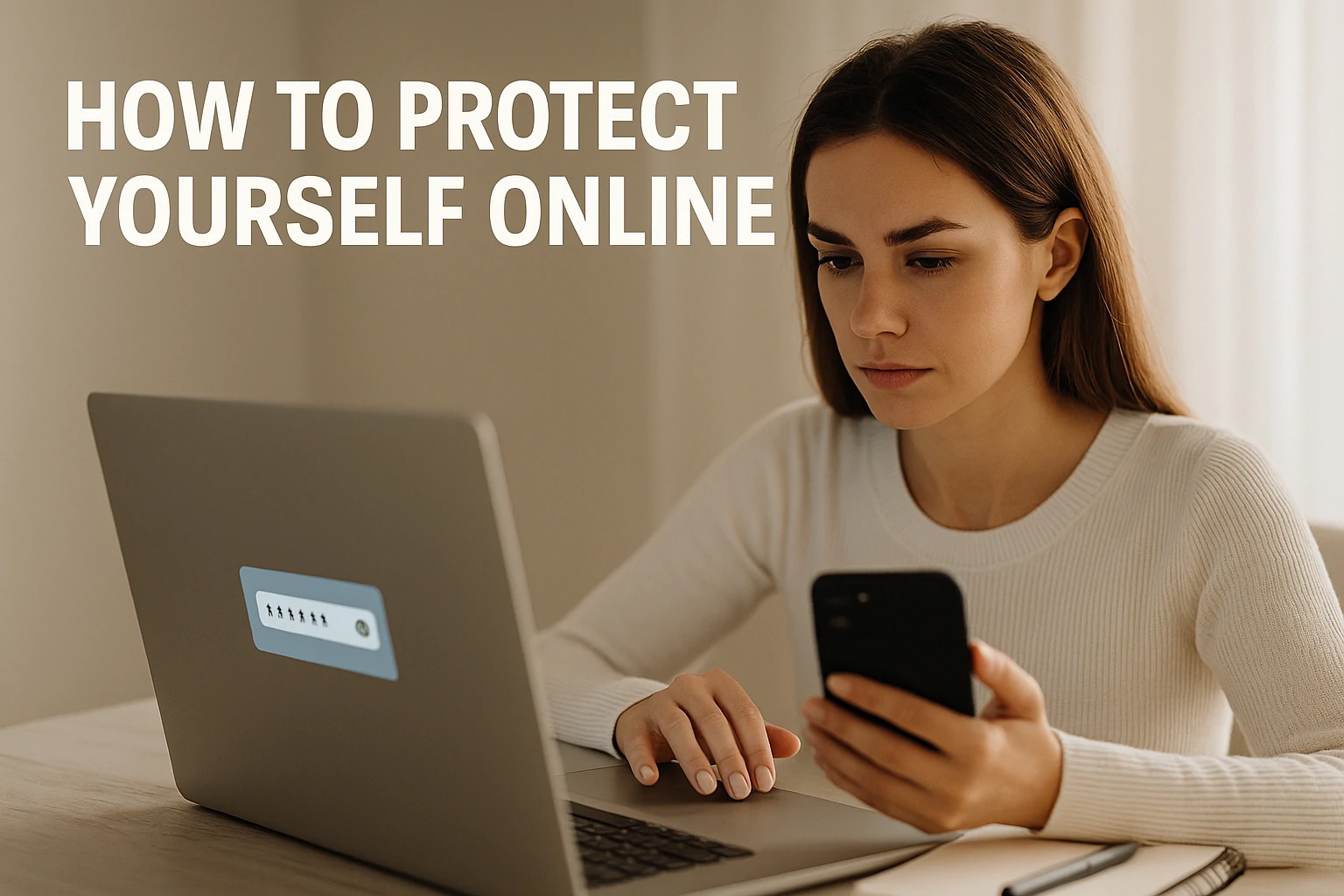
1. Use Privacy Settings
Keep your account private when you can. Share posts with friends, not strangers. Pick strong passwords and turn on two-step login. Lock down access before someone else tries to.
2. Do Not Share Location Details
Never post your street, school, or daily routes. Even one photo can give away your exact spot. Keep private places off the screen.
3. Add Watermarks to Your Content
Use a small name or logo on each image or video. This shows you own it. Watermarks can stop people from stealing or reposting your work.
4. Track Your Name Online
Set up Google Alerts with your name or username. These alerts show you when new posts appear about you. You can act fast if something shows up.
5. Create a Safety Plan
Have people you trust ready to help. Talk with a lawyer, manager, or close friend. If trouble starts, you need quick action-not panic.
You do not need to stop sharing. Just post with care. Small steps now can stop big problems later.
Tools That Help You Stay Safe
You can use simple tools to protect yourself online. These tools help you track threats, remove content, and stay alert. They give you control when things feel out of control.
Use reverse image search to find where your photos appear. It shows if someone copied or posted them without consent. Use privacy checkers to scan your accounts for weak spots. These tools warn you about exposed posts or tags.
Secure your accounts with apps that guard passwords. Two-step login adds an extra layer of safety. If you see stolen content, use a DMCA tool to file a takedown. These forms ask sites to remove your work.
Some browser tools also block unsafe sites. They stop you from landing on pages that track, copy, or leak your content.
These tools do not fix every problem. But they help you move fast, stay safe, and protect your online space.
Extra Tips for Teens and Students
Teens and young women face real danger online. One post can lead to unexpected attention. A short video or photo can land on the wrong site. Many do not know the risk until it is too late.
Stay safe with simple steps:
- Use a nickname instead of your real name
- Keep all profiles private
- Avoid sending photos that feel too personal
- Talk to a parent or teacher if something feels wrong
- Take screenshots if someone shares or threatens to share your content
Schools must teach online safety. Parents must stay involved. Teen girls need clear tools, not just warnings. Online harm causes real stress. No one should deal with it alone.
How Schools and Parents Can Support Teens
Teens face risks that grow fast and feel real. A single post can spread far. One mistake online can lead to stress, shame, or fear. They need help, not blame.
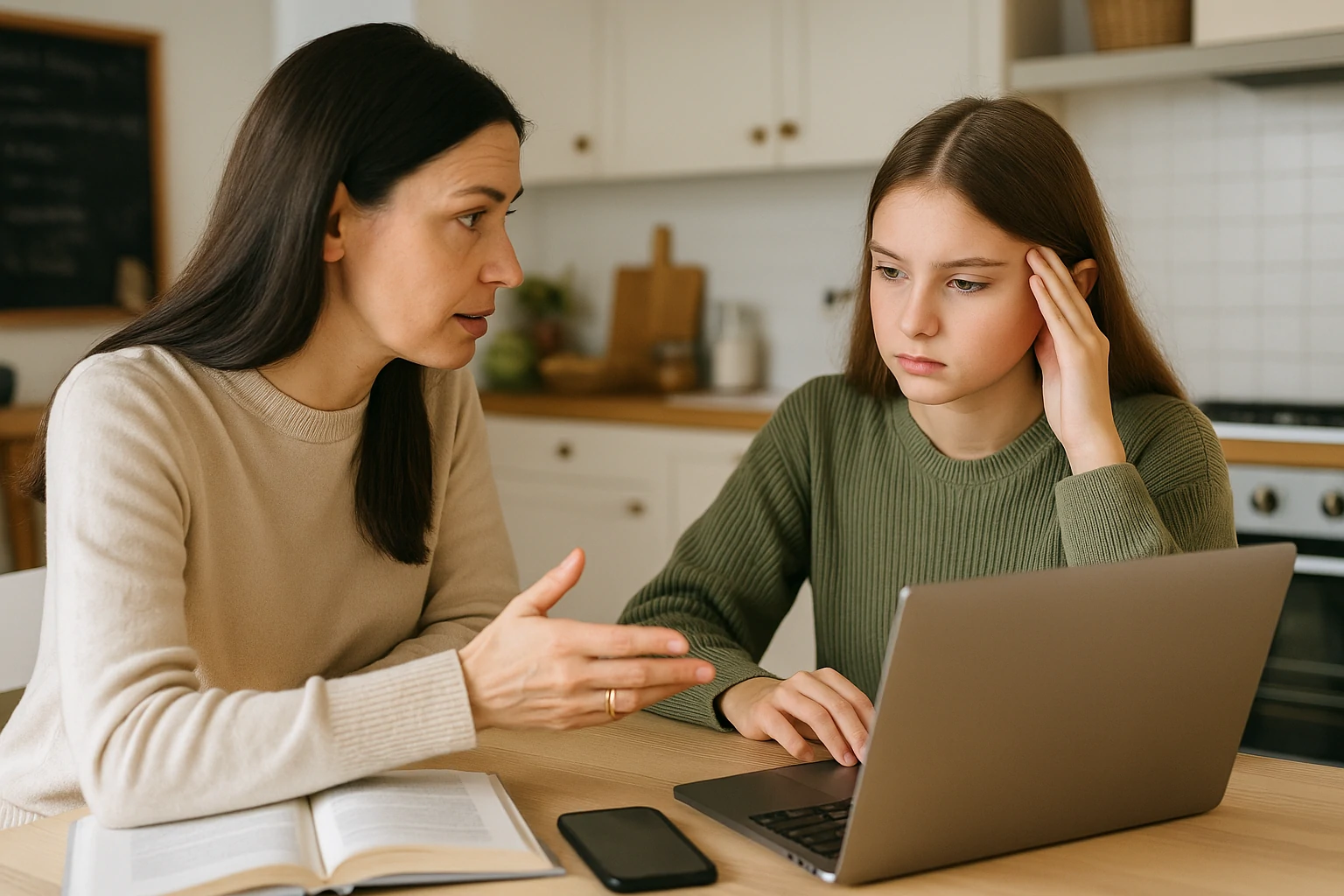
Parents should talk often. Ask what apps they use. Ask who they trust online. Listen without judgment. That builds trust. When teens feel safe, they speak up sooner.
Teach how to build strong profiles. Show how to lock down settings. Remind them not to share full names, addresses, or private photos. Explain how online harm works. Use real stories, not just rules.
Schools should lead early. Digital safety must be part of class, not just a warning. Teachers can show how to spot danger and report abuse. They can create a space where students feel seen and heard.
Teens do not need fear. They need strong, simple steps and adults who stand beside them. That support can change everything.
📌 Real Story: “My Teen Shared Too Much Online”
“Last year, my daughter posted something she thought was funny. It went viral in the worst way. She didn’t mean harm, but strangers twisted her words. The school got involved. The anxiety almost broke her.
We worked through it with counseling, changed all her settings, and set up Google Alerts. We also created a rule-‘No full names or photos from home.’ That small change saved her peace of mind.
I now talk to other parents: don’t wait for a problem. Act before the damage.”
Adults must explain what legal risks exist online and offline. That includes privacy laws, social harm, and age-based rules on platforms and products. In places like Japan, drinking laws show how age restrictions shape safe behavior.
Japan Drinking Law 2025: Age Limits, Rules, and More Legal Tips
These topics can help parents guide teens with real-world examples of rights and limits.
What to Do If a Friend Appears on the Forum
Many women learn about the forum through others. You may see a classmate, co-worker, or close friend posted without consent. The shock is real. But what you do next matters.
Stay calm and act with care:
- Tell them in a kind, private way
- Do not send the link or share the post
- Offer support, not judgment
- Help them find legal advice or online safety help
- Remind them that it is not their fault
The person you care about may feel fear, shame, or anger. Your support can help them feel strong again. The forum is the problem. Your friend is the victim. No one deserves to go through this alone.
Can These Forums Be Taken Down?
Taking down a harmful forum is not easy. Many run on foreign servers. Some change names to avoid rules. Others hide their real owners.
Still, action can work. Pressure from courts, news stories, or watchdog groups can force a change. Some forums vanish after strong legal steps or public outcry.
You can report the forum to:
- The company that hosts the site
- The domain service that gave it a name
- Search engines like Google
- Groups that fight online abuse or protect privacy
Each report adds pressure. Each step pushes for results. Alone, it may feel small. Together, it builds power. Change may be slow, but it begins with your voice.
Where to Get Real Help
You are not alone. Many women feel lost after online harm, but real help is out there. Trusted groups and legal experts can guide you. They know how to deal with leaks, abuse, or threats.
Start with support groups that focus on digital safety. These include teams that fight online harassment and protect victims of non-consensual content. Some focus only on women’s safety. Others work with all who face digital harm.
If you cannot afford a lawyer, contact a legal aid group. Many offer free support. Some can send letters or file requests to remove harmful posts. You can also call national hotlines. They offer support day and night. Some connect you with local help fast.
The Cyber Civil Rights Initiative is one group that supports victims of online abuse. Other nonprofits also help with reporting, healing, and recovery. These groups do not judge. They listen and act.
Reach out as soon as you can. One message or call can change the path ahead.
What You Can Do Today
You can take action now. You do not need to wait until things get worse. Small steps today can protect you tomorrow.
Start with your privacy settings. Lock your profiles. Review who follows you. Remove people you do not trust. Hide posts that reveal too much.
Look at your past content. Delete posts that show private places, names, or contact details. Clean your feed. Keep only what feels safe and strong.
Tell someone if you feel unsafe. A close friend, parent, or manager can help you think clearly. Speak up before things grow out of control.
If someone shares harmful posts about you, save proof right away. Take screenshots. Write down the date. Keep links and files in a safe place. If you need legal help, this proof matters.
Talk to a lawyer if the damage feels serious. Legal support gives you real options. You do not need to face this alone.
Start now. You have the right to protect your name, your work, and your space online.
Conclusion
The Social Media Girls Forum is not just a website. It is a threat. It targets women and it spreads false stories and It steals control from those who share their lives online.
But you are not powerless. You can take action. You can protect your content, your name, and your peace of mind. Every step matters. Each voice adds pressure. Change begins when people speak up.
Stay aware. Learn what to watch for. Use tools that guard your content. Keep proof. Ask for help. Stand with others who face the same pain.
No one has the right to shame you online. No stranger should decide how your image gets used. Your life belongs to you.
You deserve safety, You deserve truth and you deserve respect in every space-online and off.
Some victims lose stable housing due to threats, leaks, or shame. Others face harassment that affects jobs, school, or rent. In states like Florida, new homelessness laws raise real concerns about rights and safety.
Read more here: New Florida Homelessness Law: Rights, Rules, and Risks for 2026
Most Common Questions (PAA)
What is the Social Media Girls Forum and why is it controversial?
The forum shares personal photos and gossip about women without consent. Many users feel harmed when their images and stories spread on it. It has no clear rules that protect victims. Critics say it promotes shame and fear.
Can someone remove their name or pictures from these types of forums?
Victims can report posts, file DMCA takedowns, or speak with a lawyer. Platforms must remove content if it breaks copyright or privacy laws. Acting fast and saving proof often helps more.
What laws protect people from online harm on forums like these?
U.S. laws protect users from non-consensual sharing, threats, or defamation. The DMCA helps remove stolen photos and defamation laws apply if lies hurt someone’s reputation. Some states have revenge porn or harassment laws too.
Are there safe ways to report or expose harmful online forums?
Victims can report to hosting platforms or law enforcement. Groups like the Cyber Civil Rights Initiative can help. Speaking with a legal aid group or tech lawyer gives strong guidance.
How can teens and families stay safe from online harassment?
Teens must learn about privacy and online risks. Parents should talk often and create trust. They must guide teens on how to report, block, and protect themselves. Strong support can prevent long-term harm.
LawRuleBook do not promote or support harmful forums or online harassment. This content aims to inform, protect, and guide readers using public information.