Many people search online for free television options. They want trusted channels, clear schedules, and safe access. One phrase appears often in these searches. That phrase is programme TNT free. Some users understand it well. Others feel unsure about its meaning and safety.
This guide explains the topic in simple terms. It removes confusion and clears common doubts. It also explains the legal side in plain language. Readers do not need technical knowledge to follow this guide. Each part aims to help real users make safe choices.
Many websites use the word “free” in risky ways. Some of them promote unsafe streaming sources. That creates legal and privacy problems. This article takes a different path. It focuses only on lawful access and verified facts.
This guide also helps readers avoid mistakes. It explains what the term means, how the system works, and where limits apply. It also answers common questions people ask on search engines. Each section builds clear understanding step by step.
What Programme TNT Free Means
The phrase programme TNT free refers to the free television schedule available through TNT in France. TNT stands for Télévision Numérique Terrestre. It is the national digital broadcast system.
The word programme means the TV schedule. It shows what airs on each channel at a given time. The word free means viewers do not pay a subscription fee. Access relies on public broadcast signals, not private streaming services.
This system works through antennas or compatible digital TVs. It does not rely on paid cable or online platforms. Many households in France use TNT every day. It serves as a public broadcast service.
People often search this phrase to check movie times, sports events, or news hours. Some want to plan their viewing day. Others want to confirm if a show airs without payment. The phrase reflects practical needs rather than hidden intent.
How TNT Free Television Works
TNT works through over-the-air digital signals. These signals come from broadcast towers across France. A TV with a built-in tuner can receive them. A set-top decoder also works.
The system does not require login details. It does not collect personal data. It does not ask users to share payment details. That makes it safer than many online options.
Broadcasters send signals at set times. Each channel follows a fixed schedule. Viewers see that schedule through TV guides or official listings. That listing is the programme TNT free.
The system follows French media law. Regulators oversee content rules, ad limits, and broadcast rights. Channels must follow national standards. That adds an extra layer of trust.
Who Can Use Programme TNT Free
Programme TNT Free serves a wide public audience in France. Most households can access it without special approval. Residents with basic TV equipment receive signals easily.
Families often rely on TNT for daily viewing. Elderly viewers prefer it due to simple controls. Students use it to stay informed without cost. Visitors may access it if their device supports local signals.
The service does not target private users only. It works as a public broadcast option. Anyone inside coverage areas can benefit.
Is Programme TNT Free Legal

Yes. The TNT system operates under French law. It forms part of the public broadcast structure. The channels have proper licenses. They hold rights to air their content.
Viewers do not break the law when they watch TNT channels in France. They do not bypass paywalls. They do not access pirated sources. They simply receive public broadcasts.
Legal problems arise only when people confuse TNT with unofficial online streams. Some websites misuse the word “TNT” to attract traffic. Those sites often host illegal content. This guide does not support that activity.
Watching TNT through a TV or approved device stays within legal limits. Checking the schedule through official guides also stays safe. The law draws a clear line between public broadcast and illegal redistribution.
How to Use Servicio Inmediato Nacional to Protect Your Rights
Channels Available on Programme TNT Free
TNT includes a wide range of channels. These channels cover news, culture, sports, and family content. They broadcast nationwide.
Public channels focus on news, education, and culture. Private channels focus on entertainment and reality shows. Some channels focus on children. Others focus on documentaries.
The exact channel list may change over time. Regulators approve any additions or removals. Users should rely on official listings for updates.
Each channel follows a daily program plan. That plan appears in the TNT schedule guide. Users can check it on TV screens or trusted websites.
Programme TNT Free on Smart TVs
Most smart TVs support TNT channels. Built-in tuners receive broadcast signals easily.
Smart features do not replace antennas. Apps may show schedules or replays only. Live TNT viewing still relies on broadcast reception.
Users should check TV settings for tuner support. Once set, access remains stable.
How to Access Programme TNT Free Safely
Safe access starts with proper equipment. A digital TV with a tuner works well. An antenna also works. In some cases, a decoder helps.
Users should rely on built-in TV guides. Many TVs include an electronic program guide. That guide shows the TNT schedule for the day and week.
Official TV guide websites also help. These sites list channels, show times, and descriptions. They do not host video streams. They only share schedule data.
Users should avoid unknown streaming sites. If a site asks for account details or payment, caution makes sense. TNT does not require either step.
What Equipment You Need to Watch TNT Free
TNT access depends on simple tools. Most modern TVs already include what users need.
Basic Equipment Options
A television with a digital tuner works well. An antenna helps receive signals clearly. Indoor antennas suit apartments. Outdoor antennas suit houses.
Some older TVs need a decoder. That device connects easily. It does not require internet access.
Signal Quality Tips
Good placement improves signal strength. Walls and metal objects may reduce clarity. Adjusting antenna position often solves issues.
Common Confusion Around “Free” Television
The word free causes confusion. Some users think it means unlimited access everywhere. That is not correct. TNT works within national borders.
TNT broadcasts target France. Viewers outside France may not receive signals. Online access often depends on broadcaster rules.
Some websites promise “TNT free streaming worldwide.” That claim raises concern. Official TNT does not work that way. Such sites often misuse the name.
Understanding this difference helps users stay safe. Public broadcast does not equal free online streaming. The law treats them differently.
Does Programme TNT Free Need Internet
Programme TNT Free does not rely on internet access. Broadcast signals reach TVs directly. This keeps usage simple and private.
Internet connections help only with schedule checks online. Watching channels does not require data or Wi-Fi.
This difference protects users from tracking risks. It also avoids data charges.
Can Programme TNT Free Be Watched Online
Programme TNT Free refers to schedules, not live streams. Official TNT does not offer direct online viewing.
Some broadcasters provide replay services. These services follow separate rules. Access may depend on location and rights.
Users should avoid websites that promise live TNT streams. Such sites often lack permission. Official broadcaster platforms remain the safest option.
Programme TNT Free vs Illegal Streaming Sites
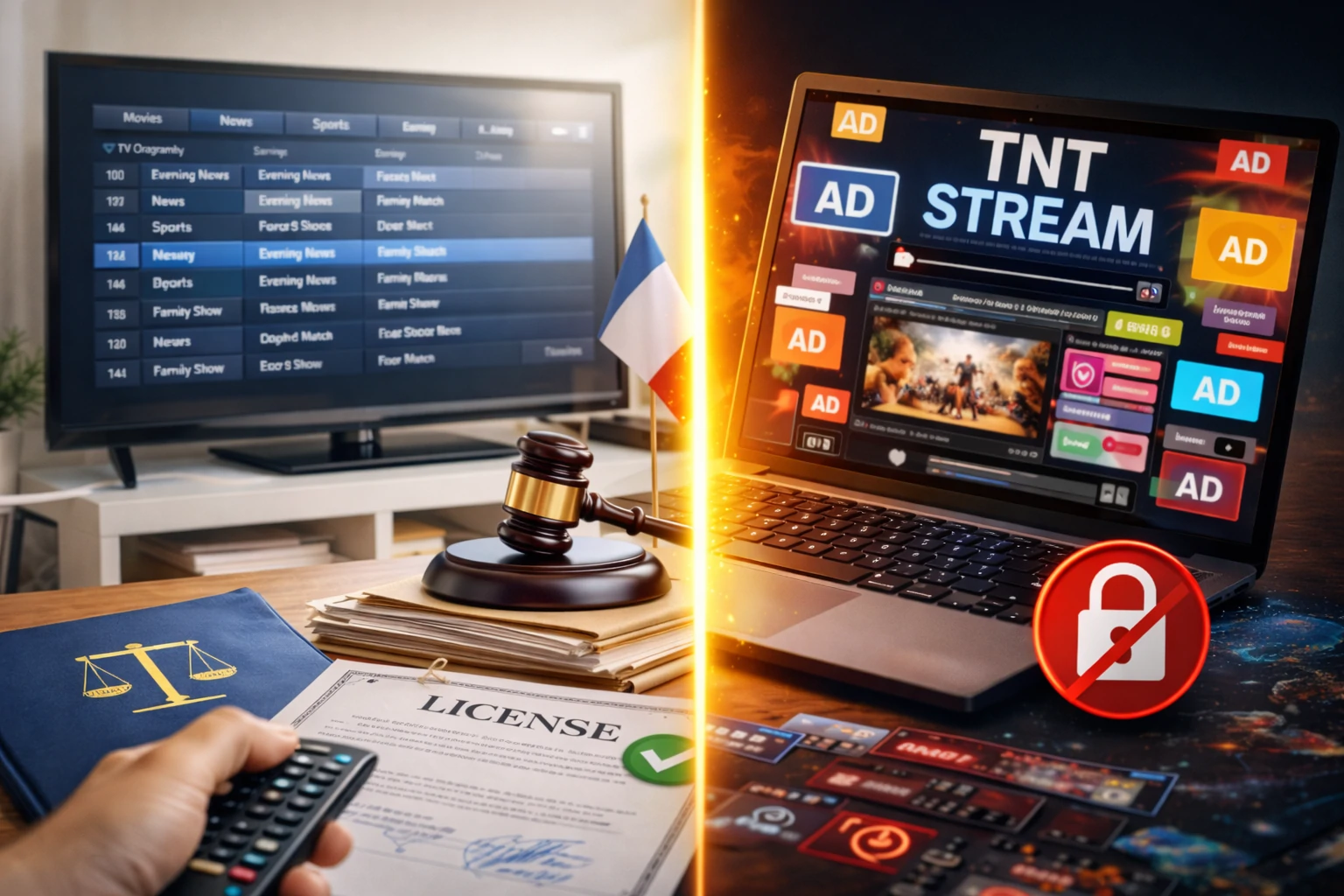
Legal TNT relies on licensed broadcasters. Illegal streaming sites rely on copied content. That difference matters.
Illegal sites often show too many ads. They may redirect users to unsafe pages. They may track personal data. Some install harmful software.
TNT channels do not behave that way. They follow strict broadcast rules. Ads follow limits. Content meets national standards.
Users should trust the source, not just the name. The presence of the word “TNT” does not guarantee safety. Only official access stays lawful.
Many unofficial platforms misuse popular terms to attract users. Similar safety concerns appear across other online spaces, including online platforms that carry safety risks, where privacy and misuse issues often arise.
Programme TNT Free Compared to Paid TV Services
Paid TV services offer extra features. They require monthly fees. TNT Free works without contracts.
Cable and satellite platforms include exclusive channels. TNT focuses on public content. Both options serve different needs.
TNT suits users who prefer simple access. Paid services suit viewers who want expanded content libraries.
TV Schedule and How It Updates
The TNT schedule updates daily. Broadcasters plan shows days or weeks ahead. Changes happen due to live events or news coverage.
TV guides refresh automatically. Users do not need to update them manually. Electronic guides pull data from broadcasters.
Printed guides also exist. Some newspapers publish weekly schedules. These help users plan without internet access.
Checking the schedule helps avoid missed programs. It also helps users avoid fake sites that claim to stream shows live.
Common Mistakes People Make With TNT Free
Many users assume TNT works worldwide. That belief causes confusion. TNT operates inside France only.
Some users trust fake streaming promises. These sites often misuse the TNT name. Others expect internet playback without broadcast tools.
Understanding system limits prevents frustration. Official access always remains safest.
Geographic Limits and Viewer Rights
TNT broadcasts work within France. That limit follows broadcast licensing rules. Content rights depend on location.
Viewers inside France enjoy full access. Viewers outside may not. That does not mean content stays hidden. It means rights apply locally.
Some broadcasters offer replay services. Those services follow separate rules. Access may require location checks.
Understanding this limit prevents frustration. It also prevents legal mistakes. Users should respect broadcast boundaries.

TNT channels follow content standards. Broadcasters apply age ratings. Children programming appears at suitable times.
Parents can monitor schedules easily. TV guides help plan viewing hours. Parental controls on TVs add extra safety.
Public broadcast rules protect younger viewers. This makes TNT suitable for families.
Why This Topic Fits a Legal Guide Website
Many users confuse legal and illegal access. They need clear guidance. This topic allows education without risk.
Law-focused websites help users understand boundaries. They explain rights and limits in plain words. That builds trust.
Explaining TNT free television supports public knowledge. It also helps users avoid unsafe choices.
This topic fits well within media law and consumer awareness. It serves real needs without promotion of risk.
How to Avoid Misinformation About TNT
Users should trust official sources. TV guides from broadcasters work best. Government or public media sites also help.
Sites that promise instant streaming raise concern. Real TNT access does not work that way.
Reading carefully helps. Checking contact details also helps. Legitimate sites show ownership and policies.
Critical thinking protects users. Free content still follows rules.
How Often Programme TNT Free Changes
TNT schedules change daily. Special events may shift programs. News coverage can alter plans.
Channel lists change less often. Regulators review updates carefully. Major changes receive public notice.
Users should check official guides for accuracy. That habit avoids outdated information.
Quick Summary for First-Time Readers
Programme TNT Free describes legal television schedules in France. It works through public broadcast signals. No subscription or internet access is required.
The service remains safe and regulated. Users should avoid unofficial streaming sites. Official guides provide accurate schedules.
Clear understanding helps users enjoy free television without risk.
Users should trust official sources when searching for broadcast details. Clear guidance also comes from official media contact channels, which help viewers reach verified editorial or support teams directly.
Conclusion
Programme TNT free refers to a lawful and public television system in France. It offers free access to many trusted channels. It relies on broadcast signals, not hidden streaming services.
Understanding this term helps users stay safe. It also prevents confusion between legal broadcast and illegal online content. The difference matters for privacy and law.
This guide explained the meaning, access methods, limits, and common myths. It also answered popular search questions in simple terms.
When users choose official access, they avoid risk. Clear knowledge leads to better decisions. That remains the true value of a legal guide.