Many people feel shocked when they see LVNV Funding LLC on a credit report. Some receive calls. Others get legal papers. This can feel stressful.
LVNV is not a lender. They do not give loans. They buy old debts from banks and credit card companies. These debts may include unpaid bills or past loans. Once they buy the debt, they try to collect the full amount.
People often wonder if the company is real. Some say, “I never had this account.” Others ask, “Can they sue me?” These questions come up often.
This article gives you a full and simple guide. It shows how to respond if LVNV reaches out to you. It also explains your legal rights. You do not need to panic. You can stay safe with smart steps and quick action.
Who Is LVNV Funding LLC?
LVNV Funding LLC is a company that collects debt. They do not give loans. They buy unpaid accounts from other lenders. These accounts may include credit cards, loans, or other bills.
After they buy the debt, they want payment. LVNV does not always deal with people directly. They hire another company to do it. That company is Resurgent Capital Services.
Resurgent handles the contact. They may send letters, make phone calls, or file lawsuits in court. If you do nothing, LVNV can take legal steps. If you ignore a lawsuit, they may win by default. This can lead to wage garnishment or frozen funds, depending on your state laws.
Is LVNV Funding LLC a Real Company?
Yes. LVNV Funding LLC is a real business. They are legally allowed to collect debt. They must prove they own the account before they demand payment.
Many people have filed complaints. Some say LVNV tried to collect money already paid. Others say the debt did not belong to them.
LVNV appears on the Better Business Bureau website. They have many complaints, mostly about poor contact or false claims. Still, this does not mean they are fake. They follow debt laws, but they can still make mistakes.
You should take all contact from them seriously. Always ask for proof before you pay anything.
Why Is LVNV Calling or Suing Me?
LVNV believes you owe a debt. That is why they send letters or make phone calls. They may say you did not pay a credit card, loan, or utility bill.
Their records are not always correct. You may not owe the money. They could have the wrong person. This mistake happens often.
LVNV usually takes these steps:
- Calls your phone, sometimes more than once
- Mails letters to your home address
- Reports the debt to credit bureaus
- Files a lawsuit in civil court
You must not ignore any of this. Ask for proof. They must show that you owe the debt and that they have the right to collect. This is part of your protection under federal law.
Ask for a Debt Validation Letter
You have the right to ask for proof of the debt. This is part of federal law. If LVNV contacts you, you can send them a written request.
This request is called a debt validation letter. It tells them to show details about the debt. The letter should include the name of the original creditor and the full amount they say you owe. It should also explain your right to dispute the claim.
You must send this letter within 30 days of the first contact. Write it clearly. Send it by certified mail. Keep a copy for your records. Use the return receipt option so you can prove they got it.
If they cannot prove the debt, they must stop collecting it. They cannot continue to call or send letters. They also cannot take legal action unless they can show solid proof.
Always act quickly. Do not delay. This step gives you power and helps protect your rights.
What to Do If LVNV Funding LLC Sues You
A lawsuit can feel scary. But you can take control. LVNV wants you to stay silent. If you ignore the court papers, they may win by default.
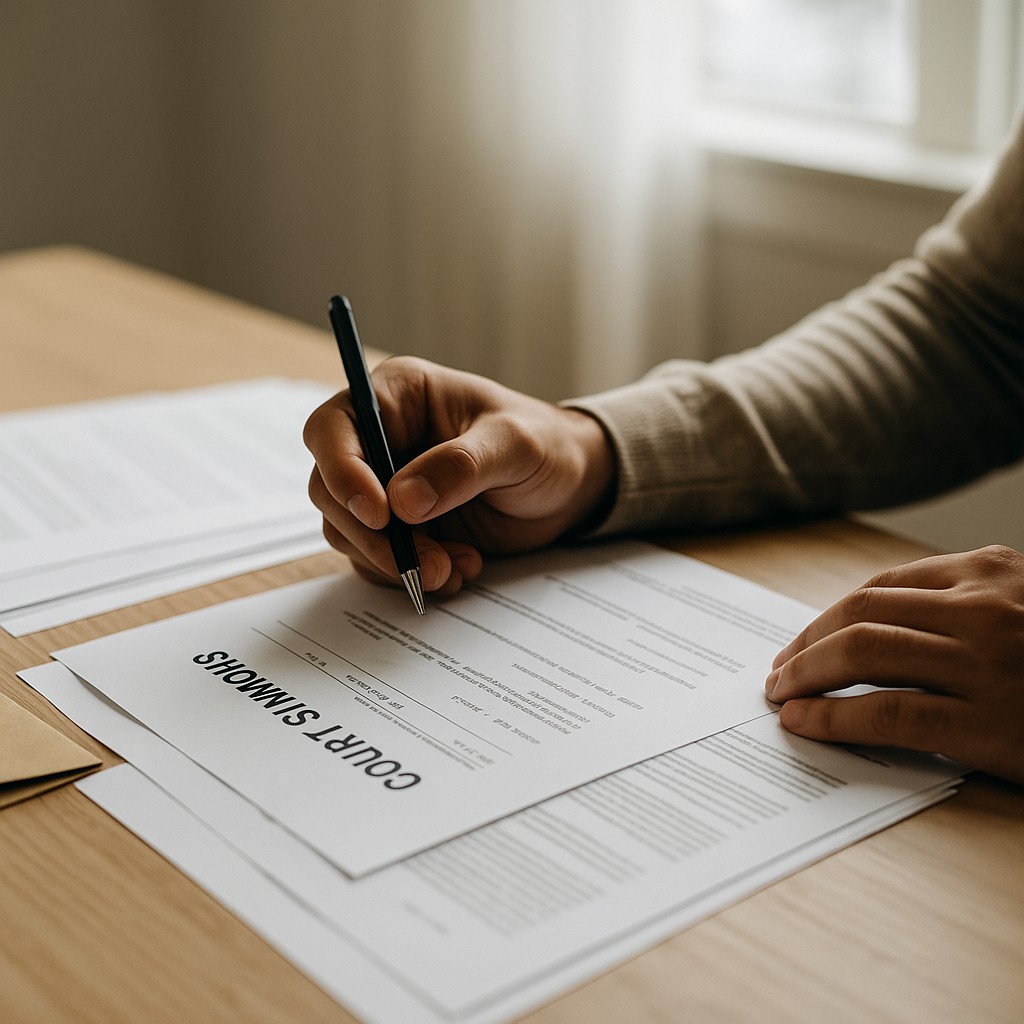
You must act fast. Read every paper. Check the court name, case number, and the total amount they say you owe. Look for the deadline. In most states, you get about 20 to 30 days to respond. Count from the day you receive the papers.
Next, file your answer in court. This is your chance to defend yourself. You can say the debt is not yours. You can say the amount is wrong. You can deny parts or all of the claim. Use clear and honest language. Do not guess.
Ask LVNV to prove their case. They must show full records. They must prove they own the debt. They must explain how they reached the amount. Without proof, they cannot win.
If the debt is large, talk to a lawyer. You may get free help from a local legal aid office. Many lawyers also offer low-cost services for simple cases.
You do not need to fear the court. If you speak up and demand proof, you stand a real chance. Many people win or settle on fair terms. But silence helps LVNV-not you.
Some people may qualify for help through state-funded legal aid programs. These programs often depend on national and state finance structures. You can learn more in our guide on How National Finance Commissions Impact Federal and State Funding.
How to Know If the Lawsuit Is Real or a Scam
Some people worry the lawsuit may be fake. This concern is valid. Debt scams exist.
You can check if the case is real. Go to your local court’s website. Search your name under “civil cases.” If you find a match, the case is likely real. You can also call the court clerk. Give them your name and the case number. They will confirm if the case exists.
Watch for red flags. Scammers often rush you or ask for payment over the phone. Real lawsuits come through mail or process servers, not texts or random emails.
Never pay without checking. Always confirm the case with the court first.
Can You Settle with LVNV Funding LLC?
Yes. You can settle the debt. A settlement means you pay less than the full amount. In return, LVNV agrees to close the account.
Start with a written offer. Do not call to make a deal. Always ask for a clear letter. The letter should list the total amount, the payment plan, and the date it ends.
Some people pay a lump sum. Others choose monthly payments. Pick what you can afford. Do not agree to more than you can handle.
Never give LVNV access to your bank account. Use a money order or a separate account if possible. This protects you from surprise charges.
Ask LVNV to drop any lawsuit after you pay. Also ask them to remove the debt from your credit report. This is called “pay for delete.” They may not agree, but it’s worth asking.
A written settlement protects you. It also gives you peace of mind. Do not settle over the phone. Do not send money until they sign the deal.
What Happens If You Ignore LVNV Funding LLC
Some people ignore LVNV calls or letters. Others throw court papers away. This causes serious problems.
If you ignore the lawsuit, LVNV may win by default. This means the court gives them a judgment without hearing your side. That judgment lets them take money from your paycheck or freeze your bank account. Some states allow both.
Ignoring LVNV will not make the debt vanish. It gives them more power. If you want to stop the case, you must respond before the court deadline.
What If the Debt Is Not Yours?
LVNV might contact the wrong person. This happens often. They may have bad records. They may confuse you with someone else. They may even have your name due to identity theft.
You should not stay silent. Take action as soon as possible. Write a letter to dispute the debt. State that the debt is not yours. Ask them to send proof. They must stop collection until they show valid documents.
Keep copies of everything. Save letters, envelopes, and certified mail receipts. These records help if you file complaints later.
You can report the problem. Contact the Consumer Financial Protection Bureau (CFPB). Send a complaint to your state attorney general. Also tell all three credit bureaus-Equifax, Experian, and TransUnion. Ask them to remove the error from your report.
Do not pay a debt that does not belong to you. Always ask for proof. Always protect your records.
Can LVNV Sue You for Old Debt?
Old debt does not always lead to a lawsuit. Each state has a “statute of limitations.” This is the legal time limit to sue for unpaid debt.
In most states, this limit ranges from 3 to 6 years. If the debt is older than that, LVNV cannot sue. If they do, you can use the age of the debt as a defense.
Do not make payments on old debt without checking the date. A single payment can restart the time clock. That gives them new legal power.
Always ask for records. Look for the last payment date. If the debt is too old, you may win by showing proof.
How LVNV Affects Your Credit Report
LVNV can report the debt to credit agencies. That may lower your score. The collection can stay on your report for seven years. It can hurt your chances of getting a loan or new credit card.
You can fight back. Start with a dispute letter. Send it to each credit bureau. Say the debt is wrong or too old. They must review your claim and reply in writing.
If you pay the debt, ask LVNV to delete the record. This is called “pay for delete.” They may agree, but they do not have to. Still, it helps to ask.
You should also check if the debt is past the time limit. Most states have laws that limit how long debt can show on your report. This is the statute of limitations.
Check your report after any updates. Errors happen often. But you can fix them with letters and proof. Always follow up until the report looks correct.
Can You Remove LVNV From Your Credit Report?
A debt from LVNV can hurt your credit. Even after payment, it may stay on your report.
You can request a “pay for delete” in writing before you pay. LVNV may agree to remove the debt after you settle. This is not a promise, but some collectors agree if you ask.
If the debt is wrong or outdated, you can file a dispute with the credit bureaus. Include all proof. They must review and respond. If they agree, the debt will be removed.
Review your credit after each update. Check all three reports for errors.
What Are Your Legal Rights?
You have rights under federal law. The Fair Debt Collection Practices Act (FDCPA) protects you.
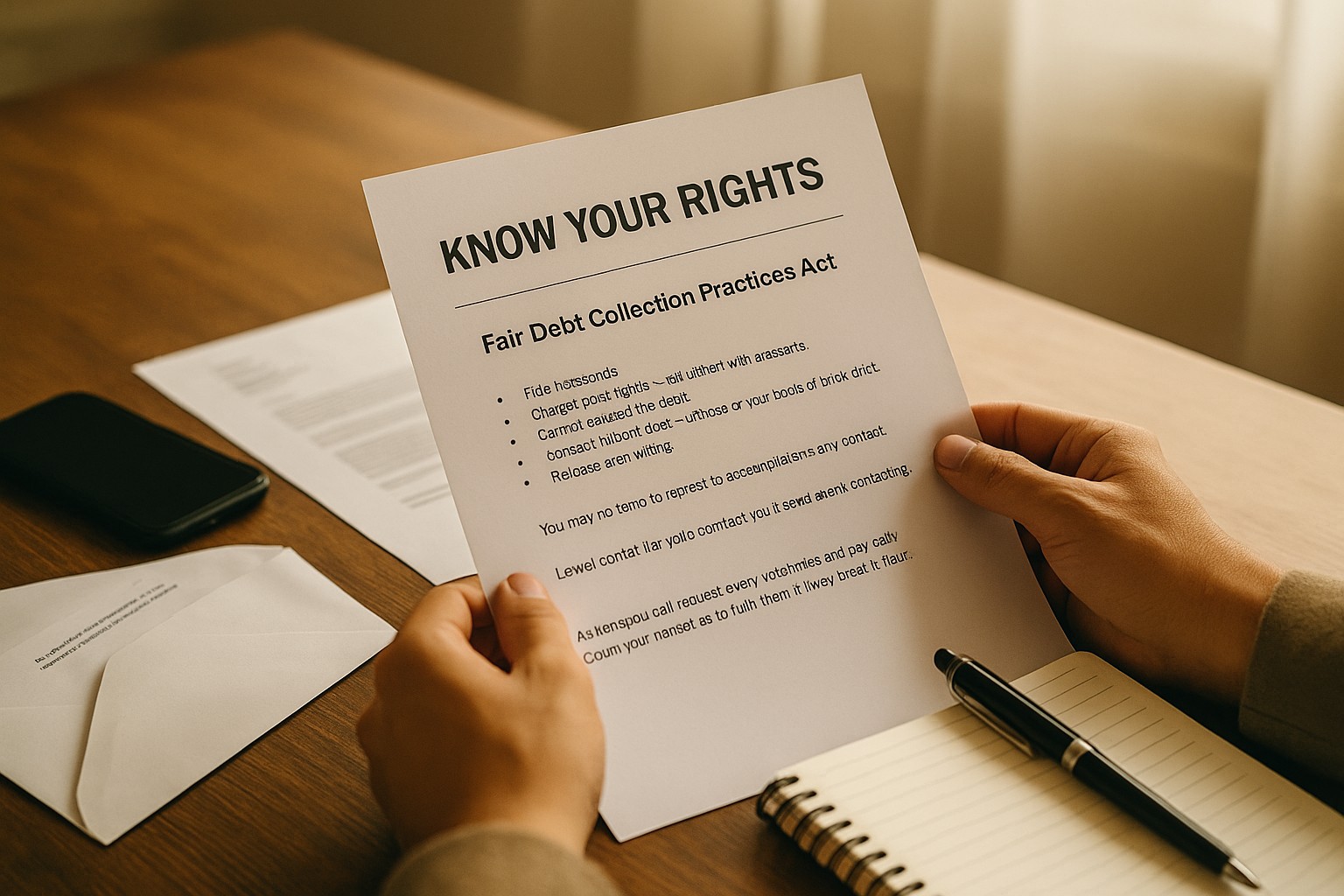
LVNV must follow strict rules. They cannot lie about the debt. They cannot threaten you. They cannot speak to others about your debt—not your boss, not your friends, and not your family.
They cannot call very late or very early. They must stop calls if you ask in writing. You can send a letter that says, “Stop contacting me.” Once they get the letter, they must stop.
Some states allow you to record phone calls. You can use these recordings as evidence if they break the law. If they cross the line, you may have a case. You can sue them and ask for damages.
Always write things down. Keep notes of every call. Save letters. This gives you power if they go too far.
People with limited income, especially those relying on fixed payments like Social Security, may struggle with sudden collection claims. Learn what’s true about the Social Security Increase 2025 and the $200 Monthly Proposal to see if relief could apply to your situation.
Common Defenses You Can Use in Court
If LVNV sues you, you can fight back. You do not need to accept what they say.
Here are some defenses that may help:
- The debt is not yours
- The amount is wrong
- The debt is too old
- LVNV has no legal proof they own the debt
- You already paid the original lender
Tell the court your defense in your answer. Use simple facts. Show proof if you have it. Courts want records, not guesses.
If your defense is strong, the court may dismiss the case.
How to Stop the Calls
You have the right to stop the calls. You must send a cease-and-desist letter. Tell LVNV to stop contacting you. After they receive it, they must stop calling. They can still sue, but they cannot harass you.
Write the letter in plain language. Ask them to stop phone contact. Include your name, account number, and mailing address. Keep a copy of the letter. Send it by certified mail. Keep the receipt as proof.
Do not just block their number. That may stop calls, but it does not solve the real issue. Always follow legal steps. That gives you real protection.
What If LVNV Wins the Lawsuit Against You?
If you lose the case, the court gives LVNV a judgment. This allows them to collect the debt through legal action.
In many states, they can take part of your paycheck. This is called wage garnishment. They may also freeze money in your bank account. Some income is protected, like Social Security, but rules vary by state.
You can ask the court to lower the amount they take. You must show your income and expenses. A lawyer can help with this.
Do not ignore a court judgment. Learn what they can take. Protect your income and act fast.
When Should You Talk to a Lawyer?
You should speak to a lawyer when the case feels too hard to handle alone. If the debt amount is high or you feel confused, legal help can make a big difference.
You may also need a lawyer if the debt is not yours or if it seems too old to collect. A lawyer knows how to check court rules, file papers, and fight false claims. This support can protect your income and your legal rights.
Many lawyers give free first visits. Some work through legal aid programs for low-cost or no-cost help. You do not need to deal with a lawsuit alone. Good legal advice can stop the stress and guide you the right way.
If you want to learn how multi-state lawsuits can unfold against financial firms, read our full guide on the Kennedy Funding Lawsuit: Truth Behind the Multi-State Legal Action.
Where to Report LVNV Funding LLC Misconduct
If LVNV breaks the rules, you can report them. Many people do this when they feel pressured or treated unfairly.
Start with the Consumer Financial Protection Bureau (CFPB). Their website lets you file a complaint online. Include proof like letters or call logs.
You can also contact your state’s attorney general. They handle local complaints. This adds pressure on LVNV to act correctly.
Another option is the Federal Trade Commission (FTC). They track patterns of abuse.
Always report serious issues. This helps you and others stay safe.
Common Questions (PAA)
How do I remove LVNV Funding LLC from my credit report?
You must first check if the debt is valid. If it is not, send a written dispute to the credit bureaus. Include copies of any proof. If the debt is paid, ask LVNV to delete the entry. This is often called a pay-for-delete request. The bureaus must review your claim and update your report.
What happens if I ignore a lawsuit from LVNV Funding LLC?
LVNV can win the case by default. That means the court may enter a judgment against you. They can then take money from your paycheck or freeze your bank account. State laws decide how much they can collect. Ignoring the case removes your chance to fight it.
Can I stop LVNV from calling me?
You can send them a cease-and-desist letter. This letter tells them to stop contacting you. After they get it, they must stop phone calls. They can still take legal action, but they cannot call or harass you without a legal reason.
How do I know if LVNV owns my debt?
You have the right to ask for a debt validation letter. This letter should show the name of the original creditor, the amount owed, and proof that LVNV owns the account. If they cannot provide this, they must stop collection efforts.
What is the best way to respond to a debt collection lawsuit?
Start by reading the legal papers. Check the deadline to respond. File an answer with the court before the deadline passes. In your answer, you can deny the debt, question the amount, or state that the debt is not yours. Always ask LVNV to prove their claim in full.
Conclusion
LVNV Funding LLC collects old debt. They often buy it from banks or credit card companies. They may contact you with letters, calls, or lawsuits.
Sometimes they contact the wrong person. Sometimes they sue with no strong proof. This can damage your credit and lead to legal trouble.
You do not have to accept what they say. You can ask for proof. You can dispute false claims. You can settle the debt on fair terms. You can defend yourself in court.
Do not ignore the problem. Act early. Keep records. Save every letter and court paper. Use your rights under the law.
This guide gives you simple steps. Follow them to protect your credit, your money, and your peace of mind.
If you live in Florida, recent updates in Florida banking laws in 2025 may affect how collection agencies operate or what rights you have when handling debt.