
Most Android users trust their phones. They adjust their settings. They turn off location tracking. They switch on airplane mode when needed. They think this keeps their personal data safe.
But recent legal claims say that may not be true.
A major lawsuit against Google says Android phones still collect user data. Even when users take steps to block it. The lawsuit claims this tracking happens in the background-without clear warning or permission.
Millions of Android phones may be affected. That includes older devices, new models, and even phones that are idle. The issue is now in court. It raises deep questions about privacy, trust, and tech company responsibility.
This post explains what the lawsuit is, what Google says, how it affects you, and how to take control of your device right now.
What Is the Google Android Cellular Data Lawsuit?
The lawsuit says Google took cellular data from Android phones without asking users first.
It claims the phones still send information even when users:
- Turn off location settings
- Switch to airplane mode
- Close all apps
- Lock the device
- Block app permissions
Users say the phone keeps sharing data in the background. No warning appears on the screen. People thought they had stopped tracking, but the data kept moving.
The lawsuit calls this a violation of privacy laws. It also claims Google gave a false sense of control. Users believed the settings protected them. But those settings may not block everything.
Lawyers now want to make this a class action. If that happens, millions of Android users could join the case. Many may ask for refunds or other forms of compensation.
Who Filed the Lawsuit and When?
The lawsuit was filed in a U.S. federal court in late 2023. A group of Android users brought the case forward. They claim Google tracked them without proper consent.
These users worked with privacy-focused legal teams. The attorneys involved say the lawsuit reflects growing concern about hidden tracking in modern phones.
The legal complaint focuses on Google’s phone data practices. It names Google LLC as the main defendant. The filing covers Android phones used in the U.S. over the past few years.
At the time of filing, the users asked the court to review how Android collects data. They also want stronger rules and fair compensation for those affected.
What Data Is Google Allegedly Collecting?
The lawsuit claims Google takes certain types of data from Android phones. This may happen even when users turn off key settings.
Court records list the following examples:
- Cell tower IDs, which show a user’s location
- Nearby Wi-Fi networks
- Battery levels and power use
- Times when apps open
- When the phone wakes up or goes idle
- Logs from system services
Even without GPS, this data tells a story. It shows movement, habits, and phone use. It can track a person’s routine, build a profile, and support ad targeting.
The users in this case say they never allowed this. They thought their phones had stopped tracking. The lawsuit says that belief was false.
Which Android Devices or Versions Are Affected?
The lawsuit covers a wide range of Android phones. It includes both older and newer models. That means the issue may affect many brands, not just Google’s Pixel line.
Phones made by Samsung, OnePlus, Motorola, and others also run Android. These devices use the same system services that may send background data.
The legal complaint does not name specific models. But it points to the Android operating system as the root cause. So any phone using Android 10 or later could be involved.
Users with recent security updates may still face risks. That is why privacy settings matter, no matter the brand.
Many users also rely on service plans to protect their devices, but not all plans offer help with hidden risks like privacy breaches. If you use services like AT&T, learn what their HomeTech Protection Plan really covers and what it doesn’t in this detailed review.
Can Google Track You in Airplane Mode?
Many people search this question online. The answer may surprise you.
Airplane mode turns off Wi-Fi, mobile data, and Bluetooth. Most users think this blocks all tracking. That is not always true.
Some phones still allow GPS unless you switch it off manually. Also, some data may stay in the system. When the phone connects again, it may send that data out.
The lawsuit says Google gets this information even when users try to block it. If that is true, then airplane mode does not give full privacy.
People should not trust airplane mode alone. It may not stop all background data sharing.
What Is Google’s Response to the Lawsuit?
Google denies all claims in the lawsuit. The company says it gives users full control over their data.
A Google spokesperson said users can:
- Turn off web and app activity
- Stop location history
- Delete past data
- Block background services
Google also says some data helps phones run properly. That includes system checks, software updates, and device syncing.
The company believes users accept these terms when setting up their phones. It says the data collection is part of normal service.
Critics disagree. They say the settings are not clear. The lawsuit asks the court to decide if Google gave users a fair choice-or just the illusion of one.
How the Lawsuit Began
A group of Android users filed the case in a U.S. federal court. They claimed their phones kept sending data even after turning off tracking features.
The group ran tests in controlled spaces. They used airplane mode and blocked all app access. Still, they saw signals going to Google servers.
Their lawyers say this breaks the promise of privacy. If users block tracking, no data should move. That is their argument.
The case is still in early stages. It may take months or even years to reach a decision. Experts say the outcome could affect privacy rules across the tech industry.
Is This a Class Action Lawsuit?
The court has not yet approved the case as a class action. That decision may come later. Right now, the lawsuit stands as an early legal challenge from a small group of users.
If the judge agrees, the case could expand to cover a much larger group. This would turn it into a class action. That type of case allows many people to join without filing separate lawsuits. It gives one voice to users who share the same issue.
People across the country may qualify if they used an Android phone during the time named in the lawsuit. They do not need to take action yet. The legal team will likely release updates if the class action moves forward.
Many users follow such updates on law firm websites or news sites. If the court gives approval, users may receive notices about how to take part. This could lead to payouts or other changes from Google, depending on the outcome.
Can You Sue Google Without Joining a Class Action?
Yes. You can file your own lawsuit if you choose not to join the class action. But there are a few things to consider first.
Individual lawsuits may take more time and money. You must prove that Google caused harm to you directly. Most people do not have enough proof alone.
Class action cases offer a simpler path. They let you join a group. You still get a share if the group wins. You also avoid the full cost of hiring a lawyer.
Still, some people want to stand alone. If you feel your case is stronger than most, talk to a legal expert first.
If you’re dealing with legal pressure or unwanted contact from any company, knowing your rights is key. Cases like this one show how important it is to act early and seek help. If a company like LVNV Funding LLC is suing you or calling non-stop, here’s what you can do to protect yourself Read the full guide on how to respond smartly.
Can You Stop All Tracking on Android?
Many users want to block all tracking on their phones. That is hard to do. Some data still moves, even when settings look private.
Google offers tools to help. You can pause activity tracking in your account. You can also turn off location history. These settings reduce how much data gets shared.
You may visit the Google activity page and delete your history. Some users also adjust app permissions. They turn off access to the camera, mic, and location.
Guest mode helps if others use your device. It limits what gets saved. Turning off sync can also lower background activity.
Some people use firewalls or apps made for privacy. These tools block unknown connections. But most phones still share basic system data.
Phones send signals to check updates, time, and settings. That means some tracking may still happen. Only rooted or custom devices allow full control.
You cannot stop everything. But you can lower the risk with smart steps.
What Are the Legal Issues Behind This Case?
The lawsuit points to several possible legal problems. The main claim is that Google collected data without clear consent. That may break laws that protect user privacy.
One law in question is the California Consumer Privacy Act. This law gives users more control over how companies use their data. The case may also involve the Federal Trade Commission Act. That law bars unfair or misleading business practices.
The legal team says Google did not explain its data practices in a clear way. This could count as misrepresentation. Some states also have their own consumer laws. These may add extra rules that support the claims.
If the court agrees, Google could face real consequences. These may include fines, refunds, or public warnings. The court may also order changes to how Android handles privacy.
The case could shape future laws too. If judges find major problems, lawmakers may tighten rules to stop this from happening again.
Could This Happen on Apple Devices Too?
Many users want to know if iPhones have the same issue. Apple says it values privacy. The company promotes itself as a leader in data protection.
Still, reports have raised concerns. In one case, iPhones sent data back to Apple even after users turned off sharing. That raised questions about how much control users really have.
No phone system is perfect. Both Android and iOS may collect background data. The difference lies in how they explain it and what they let users block.
This lawsuit targets Google. But the message applies to everyone. Users should check their phone settings often. Trust should come from clear results, not just promises.
Privacy depends on action, not just words.
Has Google Faced Similar Lawsuits Before?
Yes. Google has been sued over user privacy before. This is not the first time its data practices have been questioned.
In 2020, the company faced a lawsuit over its Chrome incognito mode. Users said Google still tracked them during private browsing. That case is still in progress.
In the past, Google has also paid fines. The FTC fined the company for collecting data from children without consent. In Europe, Google has faced similar claims under GDPR rules.
This new lawsuit fits a growing pattern. Users, courts, and lawmakers want clear answers about how companies use personal data.
Will Other Tech Companies Face Similar Lawsuits?
Yes. Other companies may also face legal action if they collect data without clear consent. This includes apps, ad platforms, and even phone makers.
Meta, TikTok, and other social media apps already face lawsuits tied to user privacy. If courts support claims against Google, more companies could follow.
Many apps use location, device, and usage data to target ads. That practice may come under review. Users expect transparency and real control.
This lawsuit shows that courts are ready to look deeper. The pressure on tech firms will likely grow from here.
How Android Users Can Protect Themselves
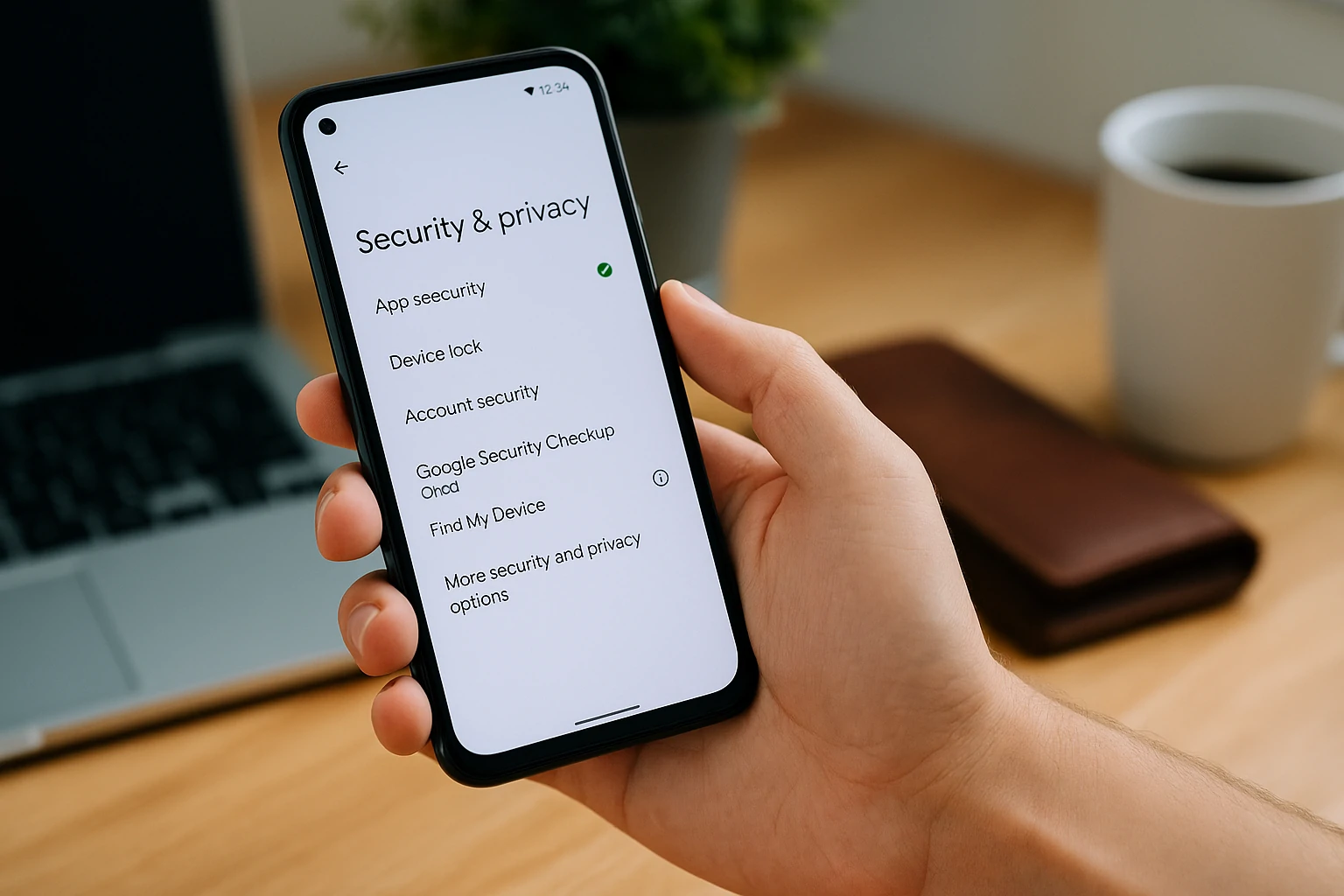
No phone gives full privacy. But users can take steps to reduce risk. Android offers several settings that help limit background tracking.
Start with your app permissions. Remove access to your location, camera, or contacts if they are not needed. Open your settings and check each app one at a time.
Review your Google account. Turn off location history. Pause web and app activity. Visit your activity page to clear old data. These tools give you more control.
Avoid signing in on shared devices. Use guest mode instead. That keeps your personal activity safe.
Stay off public Wi-Fi when handling private tasks. Use trusted apps only. Avoid tools from unknown sources.
Restart your phone often. That resets background services and stops unwanted connections.
These actions do not block all data collection. But they make your phone harder to track. A few smart changes can protect you more than you think.
Could This Lawsuit Change Android Phones?
This case could lead to major changes. If the court rules against Google, the company may need to adjust how Android works.
The software may get new privacy tools. Settings could become clearer. Users might see real warnings before data gets shared. Google may also need to refund some users or offer credits.
The court could set limits on how much data Android phones can send. That may push Google to follow new rules across all devices.
Other tech firms may respond too. Phone makers, app developers, and ad companies might change their own systems to avoid legal trouble.
This lawsuit has the power to shape how smartphones handle user data. It could start a new chapter in mobile privacy.
Conclusion
The lawsuit against Google is not just about one company. It raises big questions about trust, privacy, and control.
Most people believe their phone listens when told. They think settings like airplane mode or location off mean real privacy. This case shows that may not be true.
The lawsuit pushes tech firms to face the truth. Users want tools that do what they promise. They want to decide what data leaves their phones.
If you use an Android device, this case matters. It affects how your data moves. It shows what companies can do without asking.
Check your phone settings. Review your privacy options. Stay alert as the case moves forward.
Your device should protect you. Not collect from you in secret.
Legal risks don’t only apply to device makers. Many online platforms and streaming sites also raise concerns about user safety, copyright violations, and hidden data use. If you use free streaming sites, check this Pirlo TV legal risk guide to learn what to avoid and how to stay safe.
Disclaimer: This article is for general awareness only. It does not offer legal advice. Please speak with a licensed attorney about your rights or legal options.