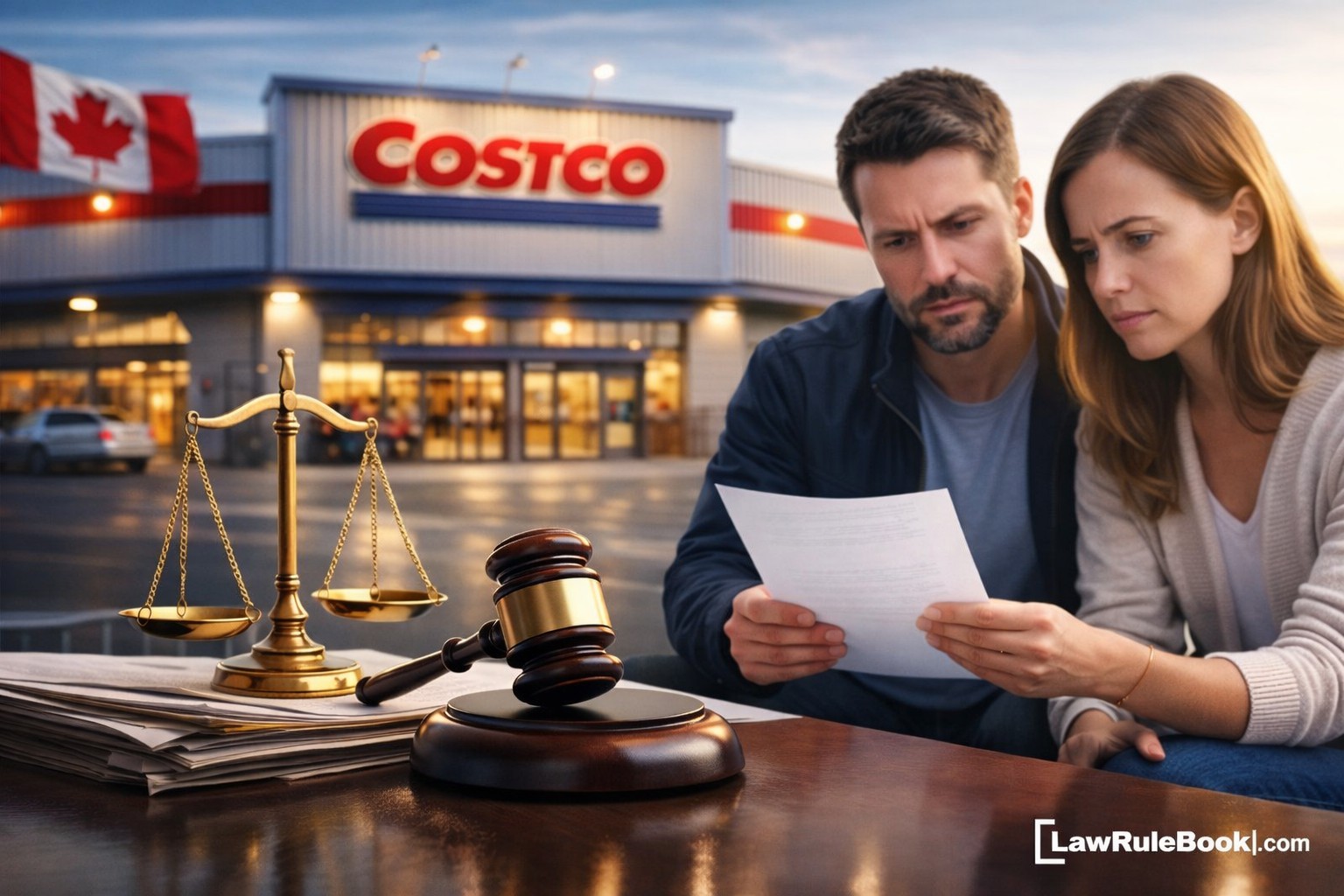
Costco is one of the most trusted retailers in Canada. Many families shop there because the prices usually feel fair. The membership model also makes customers feel like they get special value. That is why any lawsuit linked to pricing grabs instant attention.
Recently, the phrase costco canada class action lawsuit started trending in searches. Many people want to know the same thing. Did Costco charge higher prices online than in store? If yes, is that legal? Can members get money back? This guide answers these questions in simple English with verified information.
This article explains the lawsuit claims, the timeline, who may qualify, and what you can do right now. It also explains key legal terms so you understand the case without needing a law degree.
Quick Summary
Costco Wholesale Canada Ltd. faces a proposed class action lawsuit. The case alleges Costco charged higher prices online (Costco.ca or app) compared to the prices in warehouses for the same items. The lawsuit also alleges the difference was not clearly disclosed during the online purchase.
The proposed action was filed in Federal Court, and one lead plaintiff named Ibrahim El Béchara is mentioned in reports and filings.
This is a proposed class action. That means it is not yet a settlement, and the case can still evolve.
What Is the Costco Canada Class Action Lawsuit About?
The main claim is simple.
The lawsuit alleges that Costco sold certain products at a higher price online than the price shown in Costco warehouses. The alleged issue is not only the difference. It is also about how the customer allegedly did not receive proper notice during the online purchase that the same product was available in store at a lower price.
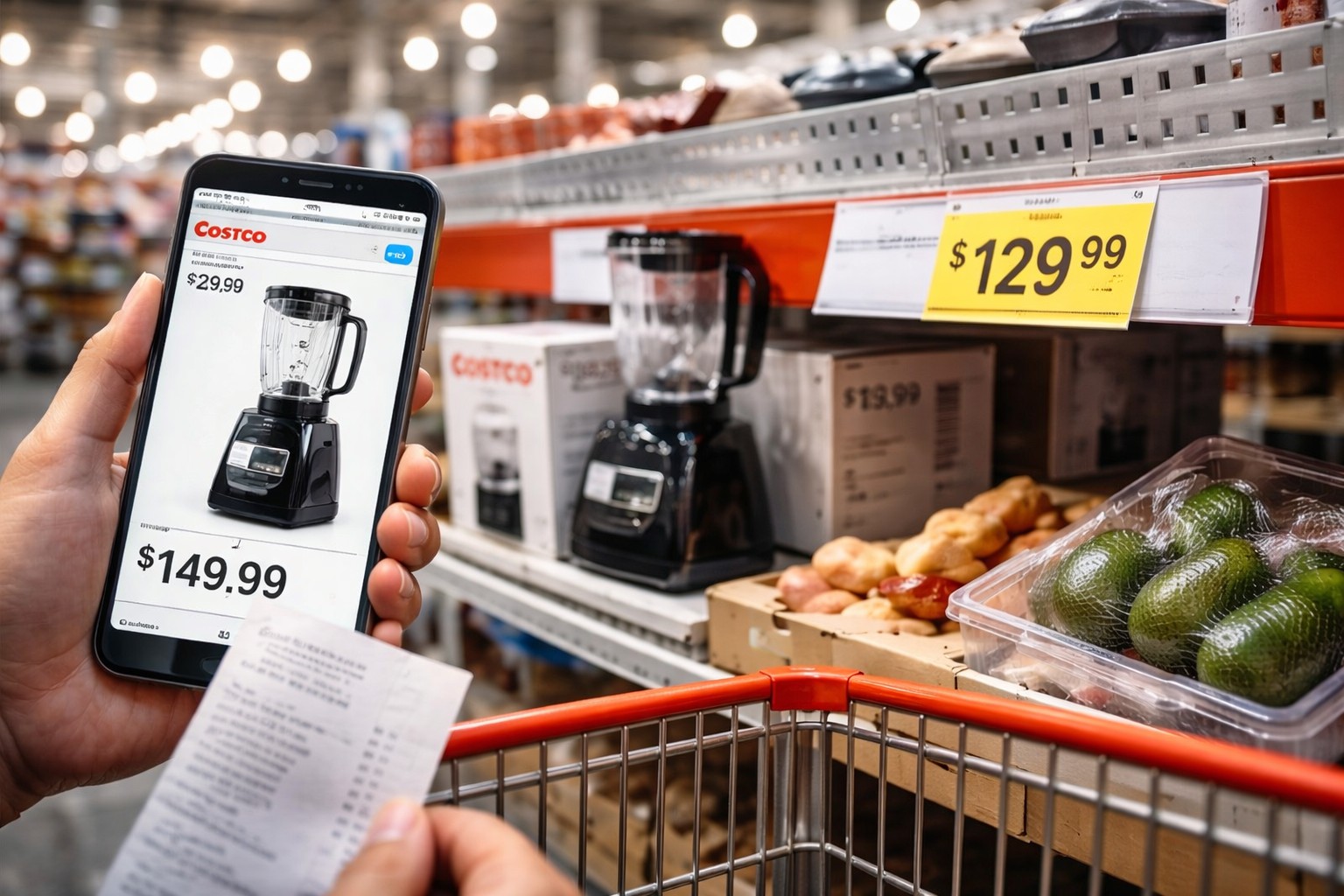
One example mentioned in reporting included a product that cost more online than in store, based on listed pricing comparisons in court documents referenced in news coverage.
The case also connects the issue to the idea of “double ticketing” or misleading price representations under Canadian competition law (as alleged in the lawsuit).
Is Costco Actually Overcharging Online?
This is an important point.
According to reports: The lawsuit claims Costco charged higher prices online for certain products than in-store warehouse prices.
What the lawsuit claims: Costco.ca can show prices that differ from warehouse pricing, and some consumer advocates point out Costco has a website disclaimer about price differences.
Not confirmed: It is not yet proven in court that Costco acted illegally or that every online price difference breaks the law. That part comes later, after legal arguments and court decisions.
So the safe way to understand this case is:
Online prices may be higher sometimes, and the lawsuit challenges whether the practice was properly disclosed and legally compliant.
Timeline: How the Lawsuit Started
People rank timelines very well in Google AI results because they make the story easy to follow. Here is the timeline based on verified reporting and the law firm case summary.
December 23, 2024
A legal filing referenced in reporting was dated Dec. 23, 2024, and includes allegations of online vs in-store price differences.
Late December 2024
A Montreal-based law firm (Perrier Attorneys) filed the proposed class action in Federal Court, according to reporting.
January 14, 2025
Global News reported the lawsuit publicly, explaining the claim that Costco allegedly charged higher prices online than in store for some items.
January 17, 2025
CityNews published more details on the lawsuit and included commentary about Competition Act issues and price differences.
Who Filed the Lawsuit?
According to reporting, a Quebec man named Ibrahim El Béchara is the plaintiff connected to the case. News coverage described the lawsuit as launched by him and filed as a proposed class action.
The law firm page for the case lists the matter as El Bechara vs Costco and explains the proposed class definition.
Is Judge Andrew J. Gleeson Friendly to Asbestos Lawsuits? A Full Legal Review
What Does “Proposed Class Action” Mean?
Many readers misunderstand this.
A proposed class action means:
A lawsuit has been filed
The plaintiff wants it treated as a class action
The court must approve certification before it becomes a full class action case
So at this stage:
It is real
It is active
It is public
It is not a settlement
It is not guaranteed money back
This detail is very important for trust and E-E-A-T.
Who May Qualify (Proposed Class Definition)
According to the law firm summary:
The proposed class includes people in Canada who, since December 23, 2022, purchased products on Costco via the Costco.ca website or mobile app and paid more than the price displayed in Costco stores for the same product.
That definition matters because it shows:
- It is Canada-wide
- It has a start date
- It focuses on online/app purchases
- It compares the online price with warehouse price
What Is the Lawsuit Asking Costco to Pay?
The law firm case summary lists what they are seeking, including:
- Damages equal to the difference between online and warehouse prices
- Reimbursement of investigation and prosecution costs (as stated in the summary)
This does not mean Costco must pay it. It means this is what the plaintiff is asking the court to order.
What Law Is Mentioned in the Case?
News coverage connects the lawsuit to the Competition Act, especially rules related to misleading pricing and “double ticketing.”
Some sources describe double ticketing as showing two prices and charging the higher price. The lawsuit claims Costco’s online vs warehouse pricing could fall into that kind of pricing issue.
In simple terms:
If a company shows pricing in a way that misleads customers, Canadian law can treat it as a serious issue.
Is It Illegal to Charge More Online?
This is a key “People Also Ask” question.
The true answer is:
Not always.
A business can have different prices online because:
- Shipping and fulfillment cost money
- Warehouses operate differently
- Some online stock comes from different systems
But the legal question often becomes:
“Did customers get clear notice, before paying?”
If customers reasonably believe the price is the same as warehouse pricing, and no clear notice appears at the right time, the court may see the practice differently.
This is why lawsuits often focus on disclosure, representation, and consumer awareness, not only the price itself.
A Costco member from Ontario shared a common experience reported in media coverage.
They ordered a household item through Costco.ca because it felt quick and convenient.
A few days later, they visited a nearby warehouse and noticed the same item listed at a lower price.
The shopper did not feel angry. They felt confused.
They said the checkout page did not clearly point out that the warehouse price was lower.
This type of situation reflects the pricing concerns discussed in the proposed lawsuit.
This example does not prove wrongdoing.
It shows why some shoppers want clearer price notices before they pay online.
What Should You Do If You Shopped at Costco.ca?
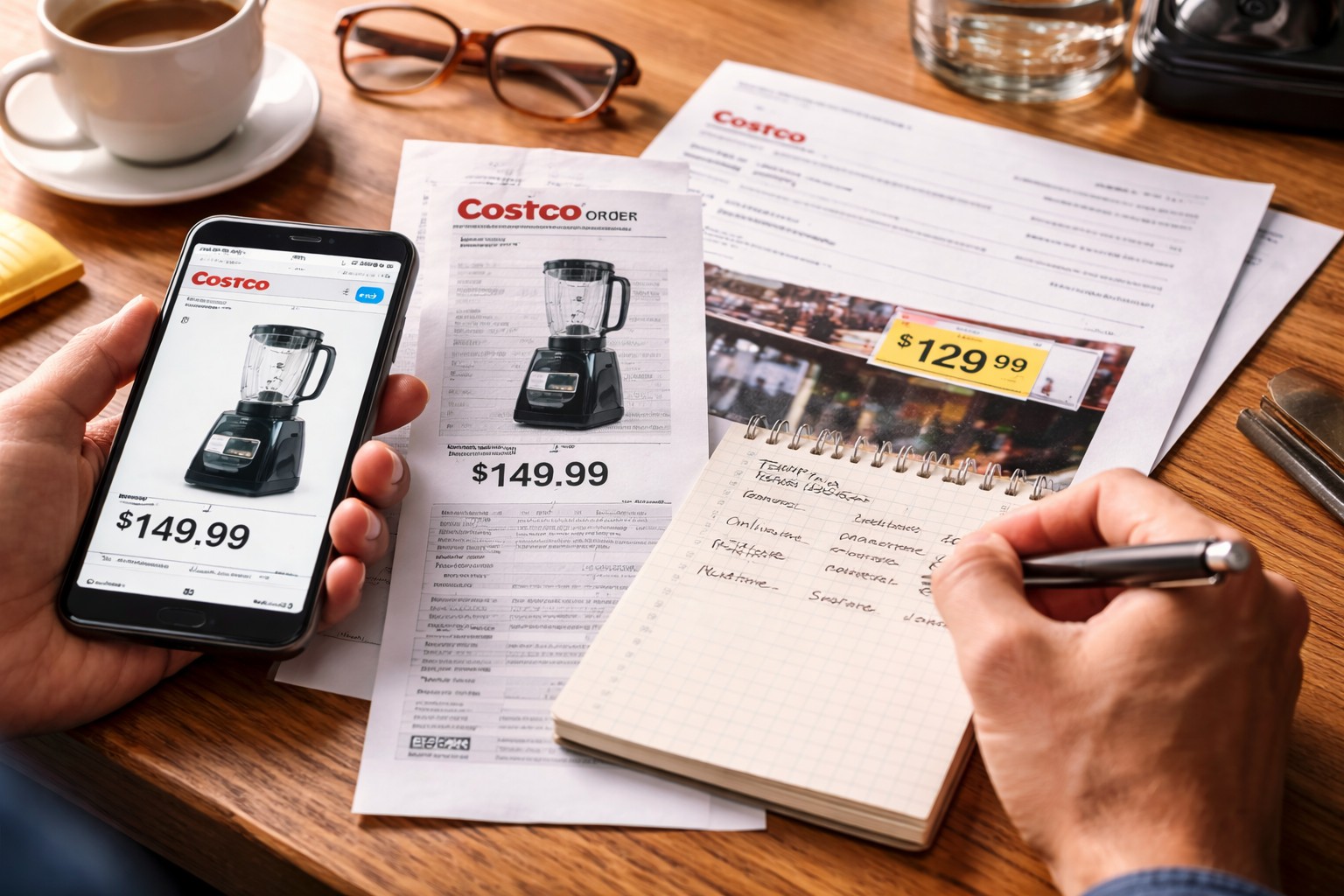
This is the most helpful part for readers. It can also improve Google Helpful Content scoring.
Here is a safe checklist you can include in your routine:
1) Save proof of purchase
Keep:
- Costco.ca order receipts
- confirmation emails
- screenshots of product price
- date and item number
2) Compare warehouse price (if possible)
If the product still exists in store:
- take a photo of the in-store price tag
- save the warehouse location and date
3) Track differences clearly
Use a simple note like:
- Item name
- Online price paid
- In-store price seen
- Difference
4) Avoid fake claim websites
Many scam sites appear when lawsuits trend.
Use only trusted news sources and official law firm pages.
Can You Register for the Class Action?
According to Perrier Attorneys, there is a registration option to receive updates. They also state registration is not mandatory to be part of the class, but it helps them contact members and build the case.
This is useful for readers because they want action steps, even if a settlement is not available yet.
If you also follow major U.S. legal cases, read our detailed guide on the Armor Correctional Health Services lawsuit, including key claims, reported cases, and what the lawsuits may mean for families.
Common Myths About the Costco Canada Class Action Lawsuit
Lawsuit news spreads fast online. One post turns into ten, and people start repeating the same claims. That is why myths grow around class actions. Most readers do not follow court steps every week. They only want a clear answer about what is real and what is not.
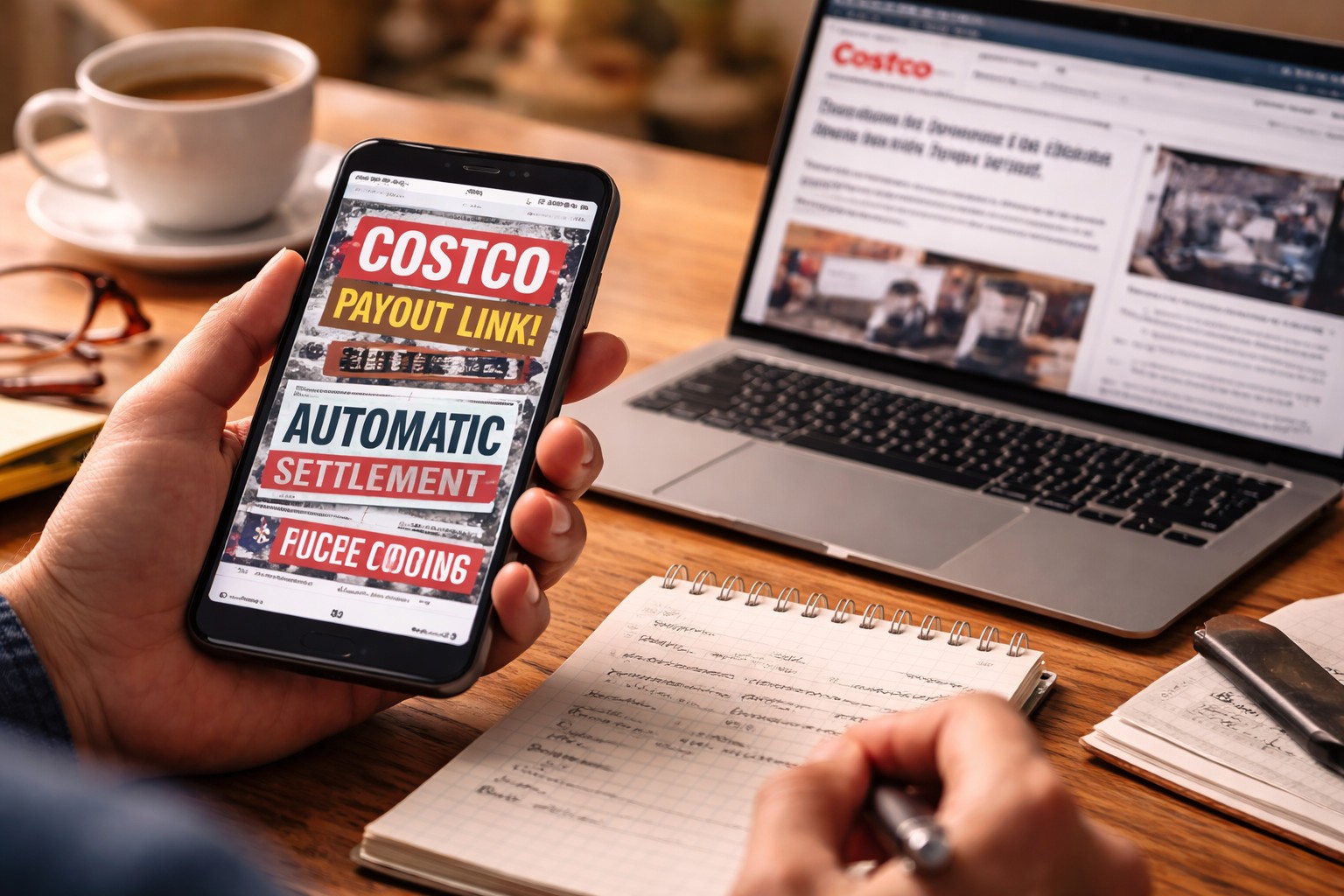
This section clears up the most common misunderstandings. It also helps readers avoid panic, avoid fake settlement links, and stay focused on verified updates.
Costco already lost the case
Many people think that once a lawsuit appears in the news, the company has already been found guilty. That is not how class actions work in Canada. A proposed class action is only the start. The plaintiff files the claim, then the court reviews the request for certification. Costco can respond and defend itself. The judge can allow the case to move forward, or the judge can reject it.
So at this stage, the lawsuit does not mean Costco lost. It means someone has raised legal claims, and the court process has started. Big cases often take months or even years before any final result.
Everyone will get money automatically
This is one of the biggest myths with any class action. Even if a settlement happens later, payments do not go out automatically in most cases. Courts usually require a claim process. Some people must submit proof, such as receipts, order history, or account records. Some settlements use online forms. Some require strict deadlines. If a person does not file a claim on time, they may get nothing.
Another important point is this. Not every shopper qualifies. Most class actions have rules about dates, product types, and purchase methods. That is why readers should not assume they will get a payout just because they shopped at Costco.
The smartest approach is simple. Save your online order proof now. If the case moves forward in the future, you will feel prepared.
Online prices must always match warehouse prices
People often believe a store must charge the same price everywhere. In reality, online pricing can differ from in-store pricing. Businesses may add extra costs due to delivery systems, shipping, packaging, or other factors. Some retailers also run online promotions that differ from store deals.
So the key issue is not only the price gap. The bigger legal question is how pricing was shown to customers during checkout. If a consumer believes the online price should match warehouse pricing, the court may focus on whether disclosures were clear and fair. The lawsuit focuses on these types of legal questions.
So online pricing differences alone do not always mean illegal activity. It depends on disclosure, consumer expectation, and how the price offer appears during purchase.
Final Thoughts
The costco canada class action lawsuit is a major consumer-rights topic because it touches something simple: price trust. Costco members expect fairness. Many assume the online price reflects the same pricing model as the warehouse. The lawsuit claims that some customers paid more online, and that the difference was not clearly highlighted during purchase.
Right now, this case remains a proposed class action, not a settlement. Still, it is smart to keep records of online orders, save receipts, and follow reliable updates from trusted media and official case pages. That approach keeps you protected and prepared if the case moves forward.
If you bought items through Costco.ca or the Costco app, the best step is simple. Stay calm. Keep proof. Avoid scams. Follow verified updates. Your awareness is your best protection.
Common Questions (FAQs)
What is the Costco Canada class action lawsuit about?
The lawsuit claims Costco charged higher prices online than in some Costco warehouses for the same products. The case also focuses on whether customers received clear notice about the price difference before checkout. The lawsuit is still in the proposed stage.
Is the Costco Canada class action lawsuit a settlement?
This case remains a proposed class action and has not reached a final settlement stage. Courts often take time to review certification requests and legal arguments before any settlement talks become serious.
Who may qualify for the Costco Canada class action lawsuit?
The proposed class may include people in Canada who purchased items from Costco.ca or the Costco app during the stated period and paid more than the in-store warehouse price for the same product. The final eligibility rules depend on what the court accepts later.
Can online prices legally differ from warehouse prices in Canada?
Different pricing can happen between online and in-store purchases due to shipping costs, supply handling, and online fulfillment systems. The lawsuit focuses on disclosure and how pricing information appears during checkout, not only the price gap.
What proof should shoppers keep if they bought from Costco.ca?
Order confirmations, email receipts, and screenshots of online product pages help the most. A warehouse price photo and the date of the in-store price can also help when the same product appears in store.
How long do class action lawsuits take in Canada?
Many class actions take months or years because they involve certification steps, legal motions, and evidence review. The timeline depends on court schedules, legal responses, and how complex the case becomes.
How can people avoid scams related to class action lawsuits?
Fake settlement sites often appear when lawsuits trend online. Official law firm pages and trusted news outlets remain the safest sources. Any site that asks for payment or sensitive banking details should raise concern.